Calf Pain & Calf Strain
Calf pain in runners is rarely just a muscle problem. It is usually a load distribution failure.
Written by Alexander Khang, ISRM Level 5 Soft Tissue Therapist. 935 sessions delivered. 265+ five-star reviews.
What is Calf Pain & Calf Strain?
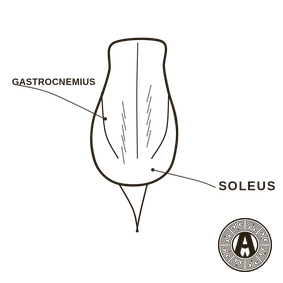
Calf pain covers a range of presentations from acute muscle strain (gastrocnemius or soleus tear) to chronic tightness and compartment pressure. Gastrocnemius strains occur at the musculotendinous junction and are common in middle-aged recreational runners, where a sudden push-off or acceleration is the typical mechanism.
Soleus strains are deeper, slower to develop, and often missed. Chronic calf tightness without an acute event usually reflects poor load distribution from the hip and knee, forcing the calf to compensate.
Why it happens
Acute strains: sudden eccentric demand exceeds muscle capacity, accelerating, jumping, or changing direction without adequate preparation.
Chronic tightness: the calf is working harder than it should because the hip or knee is not absorbing load efficiently. In both cases, the calf is solving a problem created elsewhere in the chain.
"The calf is often the victim, not the cause, it is absorbing load the hip was supposed to manage."
How we treat Calf Pain & Calf Strain
Assessment
We tell an acute strain apart from a long-running load problem, and check how the hip and knee are sharing the work.
Tension Release
Hands-on soft tissue work matched to the stage of the injury: gentle early on, deeper later.
Strength Rebuild
Rebuilding calf strength on both sides before speed and impact come back.
Relevant Clinical Articles
LOWER LIMB
Calf pain while running: strain, tightness, or something else?
A clinical guide to the four most common causes of calf pain in runners, and how to tell them apart.
Read articleLOWER LIMB
Hamstring injuries: why they keep recurring
Hamstring re-injury rates remain high because most rehabilitation stops at pain resolution. A clinical framework for genuine tissue strength restoration.
Read articleTreating this properly
This guide explains the problem. The programme treats it: a full assessment, then a course of hands-on treatment with the same practitioner.
See the Running Injuries ProgrammeNot sure where to start?
Bring your history, your scan results, and your questions. The assessment is a clinical conversation, not a sales pitch.
Achilles Clinic
260 Pentonville Road
London, N1 9JY, United Kingdom
ISRM Level 5 Diploma in Soft Tissue Therapy