
The Achilles Method
Assessment. Tension Release. Strength Rebuild. Three phases. Each one builds on the last. The first finds where your problem actually is. The second clears it. The third builds the strength that holds the change. Skip any phase and you're back where you started.
Why the standard approach keeps failing you.
NHS physiotherapy is designed for volume. You get six to eight sessions, a sheet of exercises, and a discharge date. The exercises are often correct in isolation. The problem is that nobody explained why, nobody checked you were doing them right, and nobody addressed the tissue restriction that was limiting the movement to begin with.
Private physiotherapy often runs the same model with a higher invoice. "Sports massage" at most salons treats where it hurts, which is usually not where the problem originates. Neither approach maps the load distribution that created the restriction, and neither ensures the tissue is reloaded properly after treatment. Expert sports massage therapy and soft tissue therapy are only effective when preceded by a proper clinical assessment.
The Achilles Method is designed around the question most therapists don't ask: why is this tissue restricted?
Assessment.
Find where your restriction actually is before anything is treated.
Every new client starts with a full movement and load assessment. Not a 5-minute intake form. A full clinical screening that maps your body before a single technique is applied. We identify where your restriction exists, which of your joints aren't loading correctly, what is compensating for what, and why your tissue is responding the way it is. The shoulder that hurts might not be your problem. The hip that isn't moving might be. The lower back that aches is often a load management failure two joints away. Until we find your source, treatment is guesswork. This phase makes sure it isn't.
Where it hurts ≠ where the problem is.

Tension Release.
Manual therapy on your actual restriction, chosen from your assessment findings.
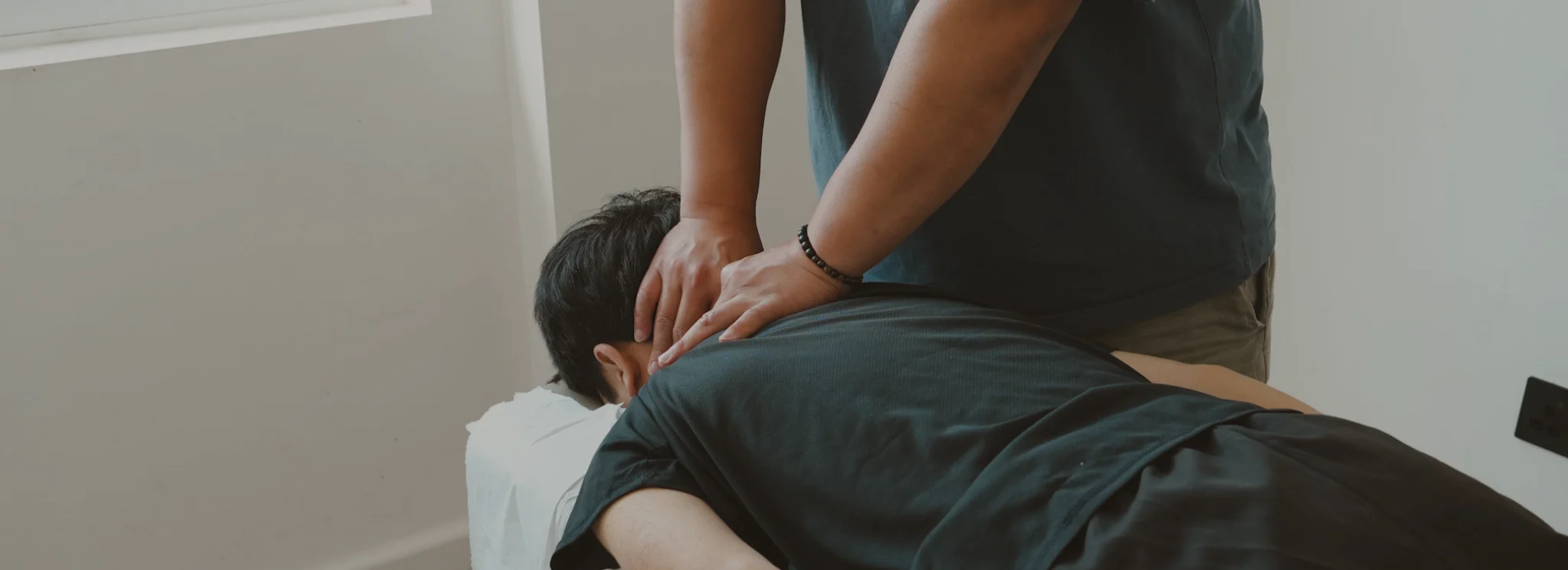
Once we know exactly where your restriction is and why it's there, we clear it. Phase 02 uses hands-on soft tissue techniques targeted at the specific structures your assessment identified: deep tissue work, myofascial release, cupping, Graston, or assisted stretching. Which technique is used depends entirely on what we found in your assessment. Nothing is applied by default. Nothing is applied because it tends to work for your type of complaint. Your treatment is chosen for your body, not your diagnosis. This is why two people presenting with the same symptom will receive completely different treatment.
Your release work is only as good as the assessment that came before it.

Strength Rebuild.
Load your tissue so it holds the change.
Soft tissue release creates a window. Your restriction is cleared and your range is available. But your tissue has memory. Left without the right load, it defaults back to the pattern it knows. That is why your problem returns two weeks after treatment. Phase 03 fills that window with a prescribed loading programme built around your body: specific exercises, specific reps, specific progression over weeks. Not a generic sheet of movements. A plan built from what your assessment found and what your release addressed. This is the phase most therapists skip. It is also the reason most people end up back on the table with the same problem six weeks later.
Your tissue adapts to the load it receives. Give it the right load.
Who the method is for.
People with recurring injuries that keep coming back after treatment
Athletes who need to maintain training volume without breaking down
Anyone who has been told "just rest it" without an explanation of why
People who have tried multiple therapists without lasting results
Post-surgical rehab where tissue work is needed alongside loading
Desk workers with chronic restriction that isn't resolving
Not sure if it's the right fit? Call the clinic and Alexander will tell you honestly.
The method, in real cases.
Three clients where the assessment found the real cause: a runner's sciatica, a lifter's back pain, and an ankle that never healed.
Read the case studiesConditions We Treat
Whatever your condition, the underlying problem is usually the same: restricted tissue, poor load distribution, and no structured rehabilitation after treatment. The Achilles Method finds your root cause, not just your symptoms, across all of the following.