Shin Splints
Shin splints are a training load error. The bone is reacting to what the programme demands.
Written by Alexander Khang, ISRM Level 5 Soft Tissue Therapist. 935 sessions delivered. 265+ five-star reviews.
What is Shin Splints?
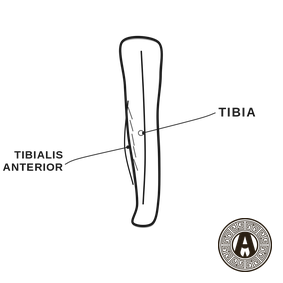
Shin splints, medically known as medial tibial stress syndrome (MTSS), is periosteal irritation along the inner edge of the tibia. It is a stress response: the bone is being loaded faster than it can remodel. In early stages, pain eases with warm-up. As it progresses, pain persists through activity and eventually becomes constant.
Left unmanaged, it can progress to a tibial stress fracture, a more serious injury requiring full rest and investigation.
Why it happens
Too much running volume, too soon. This is the most common cause. The tibial bone needs 8 to 12 weeks to fully remodel to a new training stress.
Novice runners, those returning after a break, and athletes crossing over from non-impact sports are the highest-risk group. Overpronation, weak hip abductors, and inadequate footwear all increase tibial loading per stride.
"The bone adapts to load over 8 to 12 weeks. A programme that demands adaptation in 2 weeks will produce injury."
How we treat Shin Splints
Assessment
We find exactly where the pain sits and rule out a stress fracture before anything else.
Tension Release
Hands-on soft tissue work through the lower leg, and further up the chain where the load starts.
Strength Rebuild
A gradual, planned return to running, with strength work so bone and muscle can keep up.
Relevant Clinical Articles
LOWER LIMB
Stress fracture vs shin splints: how to tell them apart
Medial tibial stress syndrome and tibial stress fracture produce similar symptoms but require completely different management. The clinical differentiation.
Read articleLOWER LIMB
Calf pain while running: strain, tightness, or something else?
A clinical guide to the four most common causes of calf pain in runners, and how to tell them apart.
Read articleTreating this properly
This guide explains the problem. The programme treats it: a full assessment, then a course of hands-on treatment with the same practitioner.
See the Running Injuries ProgrammeNot sure where to start?
Bring your history, your scan results, and your questions. The assessment is a clinical conversation, not a sales pitch.
Achilles Clinic
260 Pentonville Road
London, N1 9JY, United Kingdom
ISRM Level 5 Diploma in Soft Tissue Therapy