Muscle Recovery
Recovery is not passive rest. It is the period when adaptation happens, and it can be structured.
Written by Alexander Khang, ISRM Level 5 Soft Tissue Therapist. 935 sessions delivered. 265+ five-star reviews.
What is Muscle Recovery?
Post-training recovery refers to the physiological process of repairing micro-damage, replenishing energy substrates, and allowing connective tissue to adapt to training load. Soft tissue therapy can support this process by improving local blood flow, reducing neuromuscular tension, and maintaining tissue quality between sessions.
This is not a luxury. It is a performance input. Athletes who manage recovery as seriously as they manage training sustain higher training loads with fewer injuries.
Why it happens
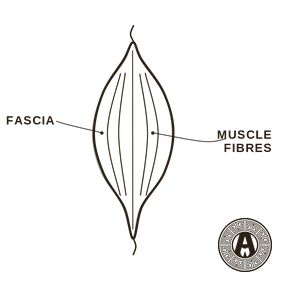
Training creates micro-damage in muscle and connective tissue. Adaptation, increased strength, endurance, resilience, happens during recovery, not during training.
When recovery is inadequate (poor sleep, high stress, insufficient nutrition, no soft tissue maintenance), the tissue cannot fully repair before the next training load is applied. Over time, this creates tissue quality decline, increased injury risk, and performance plateau.
"Adaptation happens in recovery. Training is just the stimulus."
How we treat Muscle Recovery
Assessment
We look at your training load and the areas taking the most strain.
Tension Release
Hands-on soft tissue work on the muscle groups your training loads most.
Strength Rebuild
Advice on when to book around hard sessions and races, so recovery supports your training.
Relevant Clinical Articles
RECOVERY
How often should I get a sports massage?
The honest answer depends on training load, injury history, and tissue quality, not a fixed monthly schedule.
Read articleRECOVERY
Cupping therapy for DOMS: does it work?
Can cupping shorten muscle soreness after training? What the evidence shows, the likely mechanism, and when it is worth booking.
Read articleRECOVERY
Post-marathon recovery: what your body needs in the first four weeks
Marathon running produces significant musculoskeletal damage. A clinical framework for the recovery window that determines how quickly you can train again.
Read articleRECOVERY
Sports massage before or after exercise: what the evidence says
Pre- and post-exercise massage have different mechanisms and different goals. A clinical guide to which approach suits your situation.
Read articleTreating this properly
Recovery is maintenance, not a condition. Memberships are built for exactly this: session credits and monthly plans for people managing training load rather than treating an injury.
See membershipsNot sure where to start?
Bring your history, your scan results, and your questions. The assessment is a clinical conversation, not a sales pitch.
Achilles Clinic
260 Pentonville Road
London, N1 9JY, United Kingdom
ISRM Level 5 Diploma in Soft Tissue Therapy