
Knee Pain
Knee pain is usually a hip problem or a foot problem. The knee is where you feel it. It is rarely where it starts.
Written by Alexander Khang, ISRM Level 5 Soft Tissue Therapist. 935 sessions delivered. 265+ five-star reviews.
What is Knee Pain?
Knee pain in active populations covers patellofemoral pain (anterior, around the kneecap), IT band syndrome (lateral, sharp with running), and pes anserine bursitis (medial). Each has a distinct pattern.
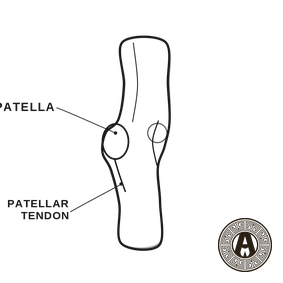
Patellofemoral pain, common in runners, cyclists, and people who sit for long periods, is driven by how the patella tracks in the femoral groove. IT band syndrome is a compression issue at the lateral femoral condyle, not a friction issue as commonly described. Both are hip problems presenting at the knee.
Why it happens
Patellofemoral pain: weak hip abductors and external rotators allow the femur to drop inward under load, increasing lateral patellar stress. The knee is not failing, the hip is not doing its job.
IT band syndrome: the IT band is not tight, it is being compressed because the hip is in a position that increases lateral knee load. Stretching the IT band does not decompress it. Strengthening the hip does.
"Foam-rolling the IT band and stretching the quads is the most popular and least effective approach to knee pain in runners."
How we treat Knee Pain
Assessment
We find which kind of knee pain you have, and check how the hip and foot are loading the knee.
Tension Release
Hands-on soft tissue work around the hip and knee, aimed at what the assessment found.
Strength Rebuild
Building strength from the hip down, then a gradual return to running and sport.
Relevant Clinical Articles
LOWER LIMB
IT band syndrome: compression, not friction
The IT band does not rub against the femur, it compresses. This changes the treatment entirely. Foam rolling cannot decompress it.
Read articleLOWER LIMB
Patellar tendinopathy: the jumping knee
Patellar tendinopathy is driven by compressive load at the bottom of the kneecap. Why stretching and rest both fail, and what helps instead.
Read articleLOWER LIMB
Gluteal tendinopathy: the cause of most lateral hip pain
Lateral hip pain in runners and desk workers is usually gluteal tendinopathy, not bursitis. The distinction changes the treatment entirely.
Read articleTreating this properly
This guide explains the problem. The Knee Pain Programme treats it: a full assessment, then a course of hands-on treatment with the same practitioner.
See the Knee Pain ProgrammeNot sure where to start?
Bring your history, your scan results, and your questions. The assessment is a clinical conversation, not a sales pitch.
Achilles Clinic
260 Pentonville Road
London, N1 9JY, United Kingdom
ISRM Level 5 Diploma in Soft Tissue Therapy