
Chronic Soft Tissue Pain
Chronic pain is rarely a sign of ongoing damage. It is usually a system that has been compensating for too long.
Written by Alexander Khang, ISRM Level 5 Soft Tissue Therapist. 935 sessions delivered. 265+ five-star reviews.
What is Chronic Soft Tissue Pain?
Chronic soft tissue pain, defined as pain persisting beyond 12 weeks, is common but poorly understood. In most cases, imaging shows minimal pathology. The problem is not structural failure but a combination of tissue quality (restricted fascia, overactive trigger points), movement compensation, and load intolerance.
This is clinical and addressable with the right approach.
Why it happens
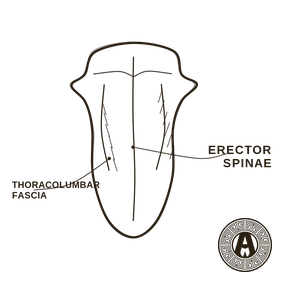
An acute injury creates protective muscle guarding. If the acute phase resolves poorly, or if the underlying movement and load problem is not addressed, the guarding pattern persists. Over time, the fascial matrix tightens around the protective pattern, trigger points develop, and the movement compensation becomes the default strategy.
The original injury site may be long healed. The pain is now coming from the compensation.
"Chronic pain is not always where the original injury was. It is where the body is still bracing against it."
How we treat Chronic Soft Tissue Pain
Assessment
We find the pattern your body has been using to protect itself, and where it is overloading.
Tension Release
Hands-on soft tissue work aimed at the areas that have been bracing the longest.
Strength Rebuild
A gradual return to the movements you have been avoiding, at a pace your body tolerates.
Relevant Clinical Articles
SOFT TISSUE
Trigger point therapy: what it is and who needs it
Trigger points produce local and referred pain that does not show on imaging. How they form, where they refer, and how they resolve.
Read articleTREATMENTS
What is myofascial release and how is it different from deep tissue?
Compression vs sustained stretch. A clinical explanation of what myofascial release does and when it is the right choice.
Read articleTreating this properly
This guide explains the pattern. Each condition we treat runs as a programme: a full assessment, then a course of hands-on treatment with the same practitioner.
See the condition programmesNot sure where to start?
Bring your history, your scan results, and your questions. The assessment is a clinical conversation, not a sales pitch.
Achilles Clinic
260 Pentonville Road
London, N1 9JY, United Kingdom
ISRM Level 5 Diploma in Soft Tissue Therapy