
ACHILLES REHAB21 Apr 2026
Why your Achilles pain keeps coming back
Rest treats the symptom, not the cause. A clinical explanation of why Achilles pain returns, and what actually fixes the load problem.
6 min readRead

LIBRARY
Condition guides and clinical articles written by Alexander Khang | ISRM Professional Diploma BTEC Level 5 soft tissue therapist at Achilles Clinic, Kings Cross. Root-cause framing. No supplements. No affiliate links.
SECTION 1
Fourteen clinical condition guides covering the most common soft tissue presentations seen at Achilles Clinic. Each guide breaks down what the condition is, why it happens, and how the Achilles Method treats it.
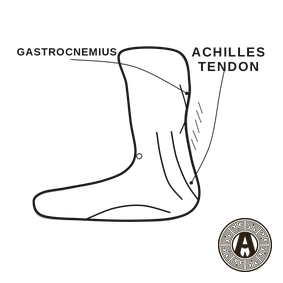
Most Achilles pain is a load problem. The tendon is reacting to how it is being asked to work, not failing.
Read guide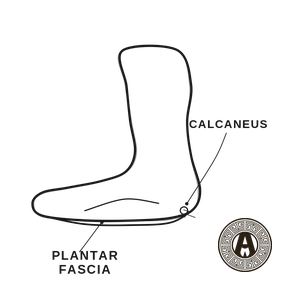
The heel pain is real. The cause is usually not in the heel.
Read guide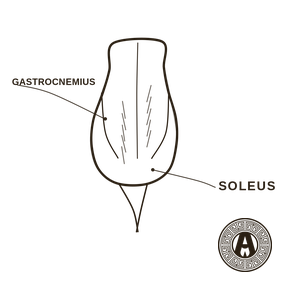
Calf pain in runners is rarely just a muscle problem. It is usually a load distribution failure.
Read guide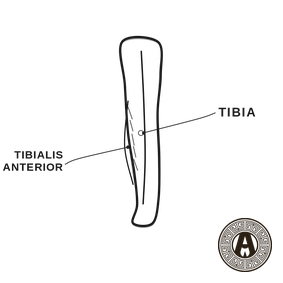
Shin splints are a training load error. The bone is reacting to what the programme demands.
Read guide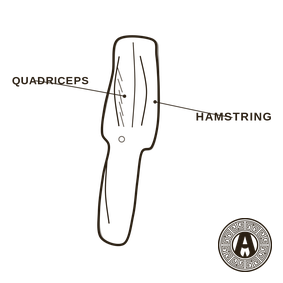
Most running injuries are not bad luck. They are predictable load errors with a structured solution.
Read guide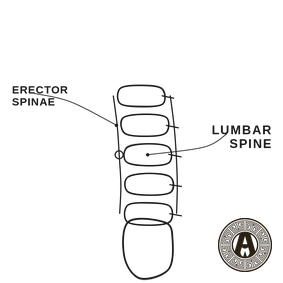
Persistent lower back pain is almost never just a muscle problem. The tissue is reacting to how the whole spine loads.
Read guide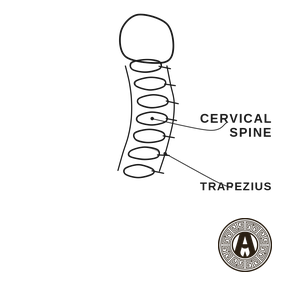
Most neck pain in desk workers is a load problem, not a posture problem. The distinction matters.
Read guide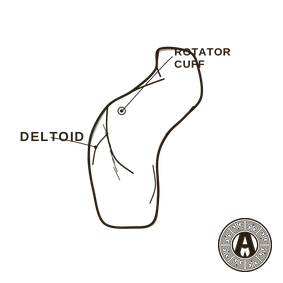
Most shoulder pain is not in the shoulder. It is in how the shoulder is loading under a restricted thorax.
Read guide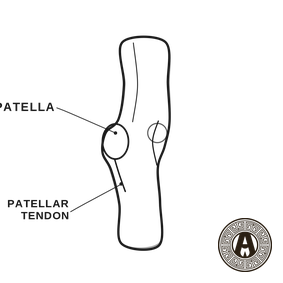
Knee pain is usually a hip problem or a foot problem. The knee is where you feel it. It is rarely where it starts.
Read guide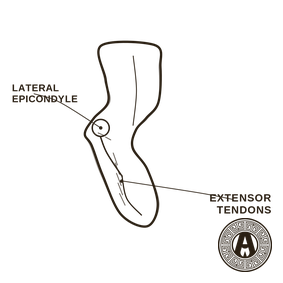
Overuse injuries are not bad luck. They are the predictable outcome of loading tissues faster than they adapt.
Read guide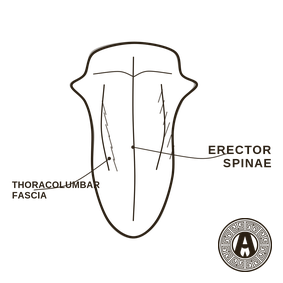
Chronic pain is rarely a sign of ongoing damage. It is usually a system that has been compensating for too long.
Read guide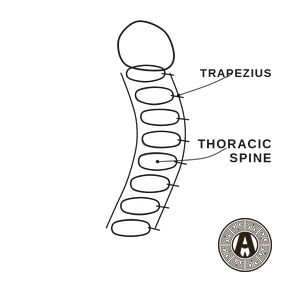
Desk-related pain is not a posture problem. It is a sustained load problem, and the solution is not to sit up straight.
Read guide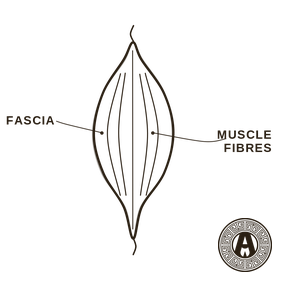
Recovery is not passive rest. It is the period when adaptation happens, and it can be structured.
Read guide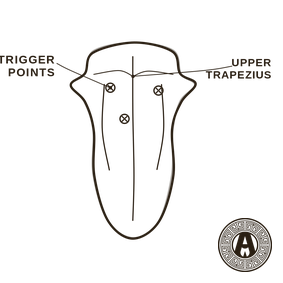
Trigger points are not the problem. They are the symptom of a tissue that has been overloaded and never fully recovered.
Read guideSECTION 2
Browse clinical articles by topic. Each category groups related condition guides and articles for focused reading.
Achilles tendinopathy, plantar fasciitis, and evidence-based tendon loading protocols.
Lower back pain, neck pain, and desk-related postural tension from sustained loading.
Overuse injuries, return-to-sport protocols, and sport-specific soft tissue patterns.
Calf pain, shin splints, knee pain, and lower limb rehabilitation.
Rotator cuff tendinopathy, impingement, and thoracic-driven shoulder pain.
Treatment techniques, modalities, and what to expect from clinical soft tissue therapy.
Post-training recovery, DOMS, and maintenance strategies for active populations.
The three-phase clinical framework: Assess, Release, Rebuild.
SECTION 3
Featured supporting resources that go deeper into the clinical reasoning behind each condition and treatment approach.
Rest treats the symptom, not the cause. A clinical explanation of why Achilles pain returns, and what actually fixes the load problem.
The Alfredson protocol, heavy slow resistance, and what the evidence actually supports for Achilles tendon rehab.
Stretching a degenerated fascia increases load on the damaged tissue. What actually resolves plantar fasciitis.
Rest reduces pain but does not rebuild bone load tolerance. What actually resolves medial tibial stress syndrome.
A clinical guide to the four most common causes of calf pain in runners, and how to tell them apart.
Ergonomic chairs reduce discomfort but do not fix the load problem. A clinical explanation of what does.
Patellofemoral pain is a hip problem presenting at the knee. Why patellar taping and quad stretching fail, and what works.
Shoulder impingement is a positioning problem, not a flexibility problem. Why stretching fails and what actually decompresses the subacromial space.
Trigger points produce local and referred pain that does not show on imaging. How they form, where they refer, and how they resolve.
SECTION 4
Most soft tissue therapy skips the assessment. The Achilles Method starts with a full-body movement screen before any hands-on work begins. Understand the three-phase framework: Assessment, Tension Release, Strength Rebuild.
Read the articleFULL INDEX
14 condition guides · 65 clinical articles
Find your root causes.