
The Achilles Library
Plain answers on injury, pain and recovery, written by the practitioner who treats you.

14 condition guides · 56 articles
Where does it hurt?
Tap an area to see its guides and articles.
Start with these four.
Chosen from what people search for most. If you only read one, read the first.
Every guide, by where it hurts.
Nine chapters. Each starts with the condition guide, then the articles that go deeper, then the programme that treats it.
Foot and ankle
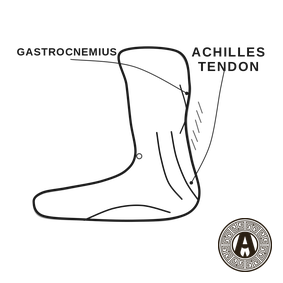
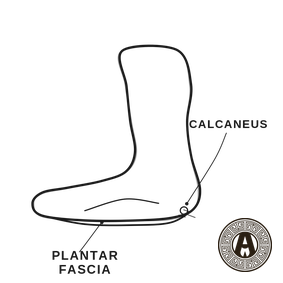
Achilles, heel and ankle pain.
Calf and shin
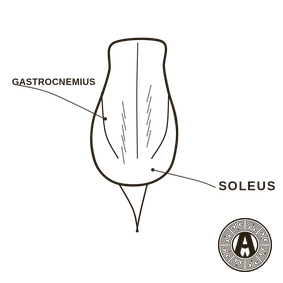
Calf strains, tight calves and shin pain.
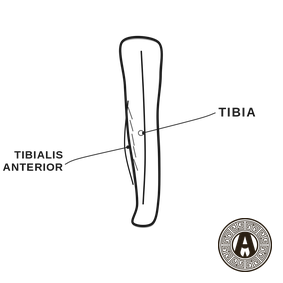
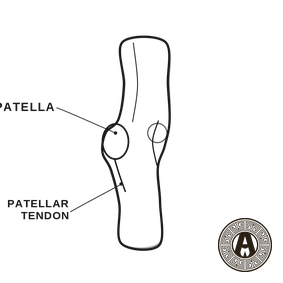
Knee
Pain around the kneecap, on the outside of the knee, or below it.
Hip, groin and hamstring
Outer hip pain, deep buttock pain, groin and hamstring injuries.
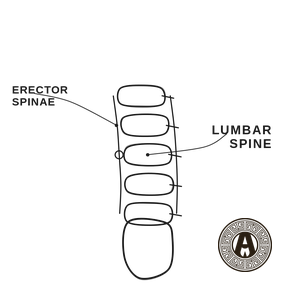
Back and sciatica
Lower back pain, and pain that travels down the leg.
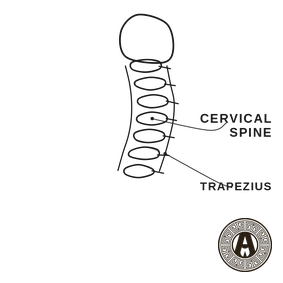
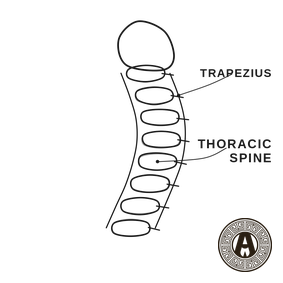
Neck and desk
Neck, upper back and the tension a long working day builds up.
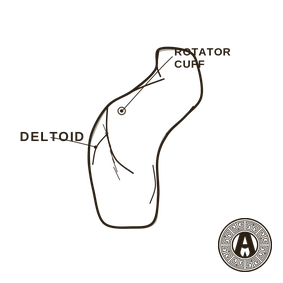
Shoulder, elbow and wrist
Shoulder pain, a stiff shoulder, elbow and wrist pain.
Sport and recovery
Running, cycling, swimming, race preparation and recovery.
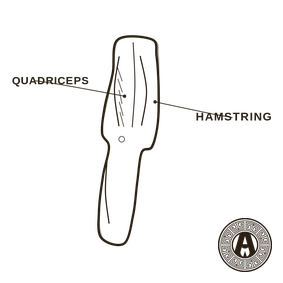 Condition guideRunning Injuries & Lower Limb RehabMost running injuries are not bad luck. They are predictable load errors with a structured solution.
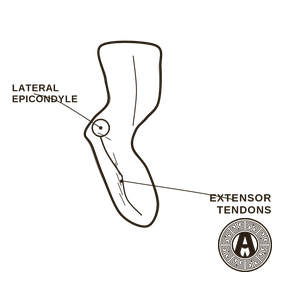 Condition guideSports Injuries & OveruseOveruse injuries are not bad luck. They are the predictable outcome of loading tissues faster than they adapt.
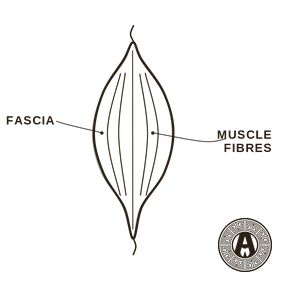 Condition guideMuscle RecoveryRecovery is not passive rest. It is the period when adaptation happens, and it can be structured.
Treatments explained
What each treatment is, what it costs, and what to expect.
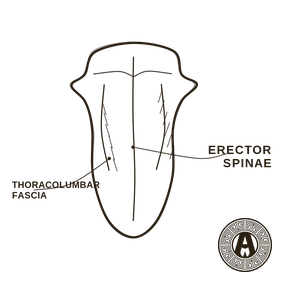 Condition guideChronic Soft Tissue PainChronic pain is rarely a sign of ongoing damage. It is usually a system that has been compensating for too long.
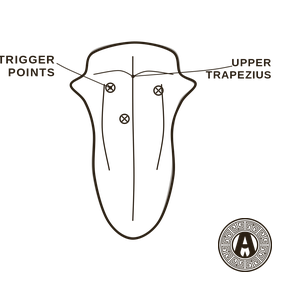 Condition guideMyofascial Pain & Trigger PointsTrigger points are not the problem. They are the symptom of a tissue that has been overloaded and never fully recovered.
Every guide is written by Alexander.
ISRM Level 5 soft tissue training. 6+ years of MSK rehabilitation. 5+ years of strength coaching.
How we write and review them
- Written by the practitioner you would see, not a content team.
- Based on published research, named where we use it.
- Each guide shows when it was last reviewed.
- A guide explains a problem. It is not a diagnosis.
- Red flags, or pain that is getting worse? See your GP first.
A to Z: all 70 guides and articles
- Achilles Tendinopathyguide
- Adductor and groin pain in runners and footballers
- Ankle sprains: why full recovery takes longer than you think
- Assisted stretching: what it is and when it is worth booking
- Back pain at a desk: why your chair is not the problem
- Calf Pain & Calf Strainguide
- Calf pain while running: strain, tightness, or something else?
- Chronic lower back pain: why imaging often does not help
- Chronic Soft Tissue Painguide
- Cubital tunnel syndrome: the elbow nerve compression desk workers get
- Cupping therapy for DOMS: does it work?
- Cupping therapy for lower back pain: a clinical guide
- Cupping therapy side effects: what to expect
- Cupping therapy vs sports massage: what is actually different
- Deep gluteal syndrome and sciatic nerve pain
- Desk Worker & Postural Painguide
- Do I need a referral for soft tissue therapy?
- Does sports massage help lower back pain?
- Eccentric loading for Achilles tendinopathy: what the evidence says
- Frozen shoulder: what it is and what soft tissue therapy can offer
- Gluteal tendinopathy: the cause of most lateral hip pain
- Hamstring injuries: why they keep recurring
- Heat or ice for pain: the clinical answer
- Hip flexor tightness: why stretching alone does not fix it
- How breathing mechanics contribute to lower back pain
- How much is a sports massage in London?
- How often should I get a sports massage?
- How to return to sport after an Achilles injury
- Is cupping good for shoulder pain?
- Is deep tissue massage meant to hurt?
- Isometric exercises for tendon pain: why they work and when to use them
- IT band syndrome: compression, not friction
- Knee Painguide
- Lower Back Painguide
- Muscle cramps during sport: causes and clinical management
- Muscle Recoveryguide
- Myofascial Pain & Trigger Pointsguide
- Neck Painguide
- Neck pain from screen work: the tissue mechanics
- Overuse injury prevention for recreational athletes
- Patellar tendinopathy: the jumping knee
- Plantar Fasciitisguide
- Post-marathon recovery: what your body needs in the first four weeks
- Rotator cuff strengthening: what actually works
- Running Injuries & Lower Limb Rehabguide
- Sciatica vs piriformis syndrome: how to tell the difference
- Shin Splintsguide
- Shoulder Painguide
- Soft tissue care during marathon training
- Soft tissue therapy for cyclists: the common patterns
- Soft tissue therapy for swimmers: shoulder, neck, and thoracic patterns
- Soft tissue therapy vs physiotherapy: what is the difference?
- Sports Injuries & Overuseguide
- Sports massage before or after exercise: what the evidence says
- Sports therapy vs sports massage: the clinical difference
- Stress fracture vs shin splints: how to tell them apart
- The Achilles Method: why assessment comes before treatment
- The difference between sports massage and a relaxation massage
- Trigger point therapy: what it is and who needs it
- Upper crossed syndrome: the desk worker postural pattern
- What deep tissue massage actually does
- What is myofascial release and how is it different from deep tissue?
- What is remedial massage and who is it for?
- What is the Graston technique and when is it used?
- What myofascial cupping is and how it differs from traditional cupping
- Why a clinical assessment should come before any soft tissue treatment
- Why plantar fasciitis does not get better with stretching
- Why thoracic mobility matters for almost every upper body problem
- Why your Achilles pain keeps coming back
- Wrist and forearm pain from desk work: a clinical guide
Book the assessment.
Two ways in. Both start with an assessment, so you know what you are dealing with before you commit to anything.
For muscle and soft tissue problems
Blueprint Assessment
75 minutes · £129
- A full assessment and hands-on treatment
- A written plan to take home
- The same practitioner every session
For injuries that need a rehabilitation plan
The Cornerstone
60 minutes · £120
- A clinical assessment and a written report
- A rehabilitation plan built around the condition
- Referral on when you need a doctor or a scan
Not sure which? Use the Treatment Finder, or call the clinic on 07897 732158.
Rated 5.0 from 145+ reviews across Google, Fresha and Treatwell.
Kings Cross: 260 Pentonville Road, London N1 9JY, 3 minutes from Kings Cross St Pancras. Hampstead: 40 Rosslyn Hill, London NW3 1NH, 6 minutes from Hampstead station.